 Support Telecomtalk







Andrew Bonwick
Vice President of Product Development at Relm Insurance

Madhav Sheth
CEO of Ai+ Smartphone

Varun Kashyap & Sridevi Reddy
Co-Founders, Zithara.ai
Transforming Indian Offline Retail and Customer Engagement Using AI


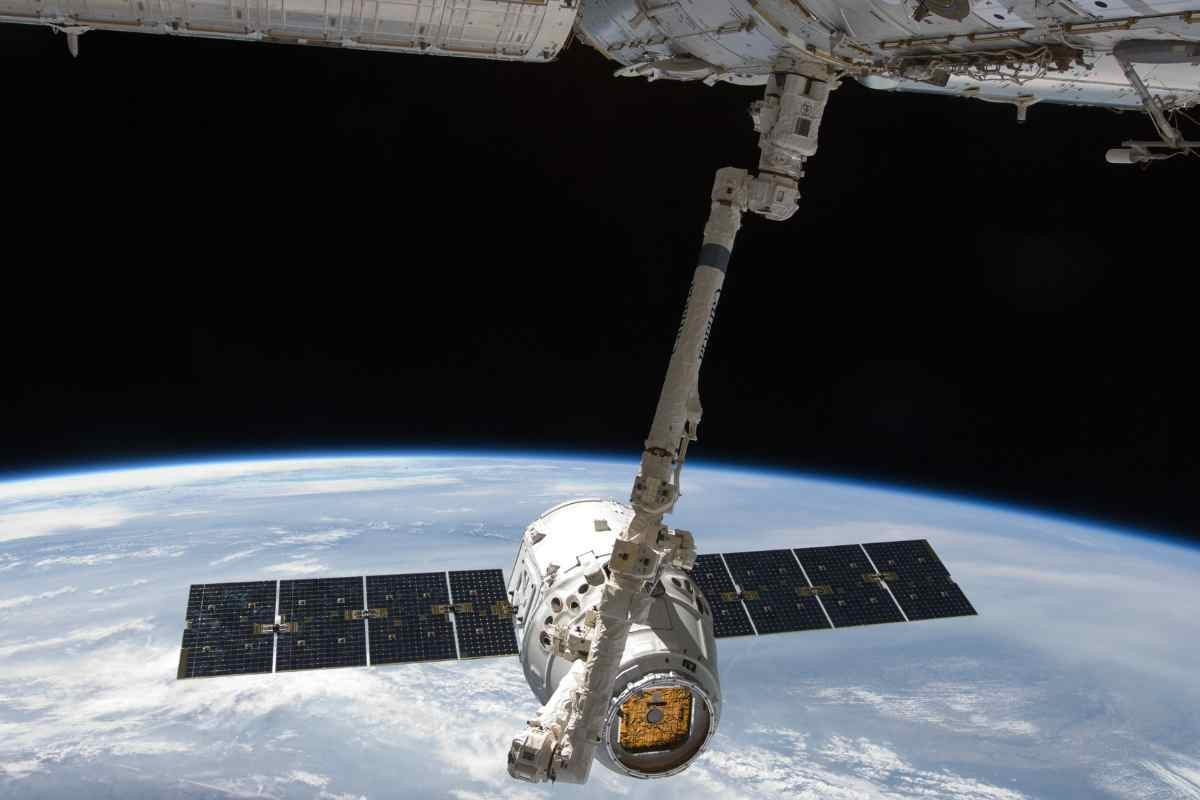
Technology has advanced rapidly over the last two decades. In the communications tech space, the role of satellites is growing as the limitations of terrestrial networks have never been more apparent. The digital divide, or a digital bridge between the rural and urban areas of developing countries, is a big issue that governments across the world are trying to solve. For countries such as India, which are banking on creating a robust digital economy, the issue of the digital divide is at the center of attention.
- Make Telecom Talk My Trusted Source



The Indian government has launched several initiatives to bring equal internet access to everyone in the nation. BharatNet is one example that was approved by the union cabinet in 2011 for the creation of the National Optical Fibre Network (NOFN, now BharatNet) to provide broadband connectivity at the Gram Panchayat (GP) level. But to enable internet access for everyone in the country, there’s a need for fibre deployment and heavy telecom infra investments everywhere to ensure that connectivity is seamless.
Read More – Satcom Players have a Big Opportunity in India, but Many things Need to Go Right
But the telcos can’t make these investments everywhere. It has to be done in a planned manner, and areas that bring the most revenue have to be focused on first. This is why there’s less scope for fast broadband access in rural areas with terrestrial network service providers. But the satellite broadband players can change this pretty fast. Not just in India, but the satcom (satellite communication) players such as OneWeb, Hughes, Starlink, and more are eyeing global markets to provide services.
This is due to the fact that there are dark spots in every part of the world where the internet cannot reach simply because fibre can’t be deployed there for multiple reasons. Especially for people living on high terrains, high-speed broadband access is still a dream. Satcom players know that this is a gap that they can easily fill and make money out of it.
Read More – Hughes India President Explains Why Conflict of Spectrum Exists Between Satcom and Telecom Operators
Satcom is Good for Urban Areas as Well!
But satellite communication isn’t just good for places that don’t already have connectivity. It is also good for urban cities. Terrestrial networks have a lot of limitations, including the limitation of getting damaged easily. Fibre can be easily cut or damaged due to construction, digging, or disasters. At such times, connectivity access can be lost. But since satellites are active all the time, they can also ensure connectivity for users at the time of disasters.
Many smartphone makers are also trying to deliver satellite connectivity directly for their devices. Apple has already done it with the iPhone 14 series in select countries. Samsung is also working on the same, and with the Samsung Galaxy S24 series, we are most likely going to see support for satellite connectivity.
Satellite connectivity isn’t just for terminals that can create Wi-Fi signals. It is also meant for other devices, such as smartphones and laptops, that have the supporting hardware to directly connect with satellites to communicate with others. In this decade, we are definitely going to see a rise in the adoption of satcom services by enterprises and the common man. It is going to be costly at first, but that’s how the world of tech works. The more common it becomes, the more innovation would happen to make it more affordable for the masses.
A small group of TelecomTalk readers helps keep this platform running. Support us if you find our work valuable.






























