




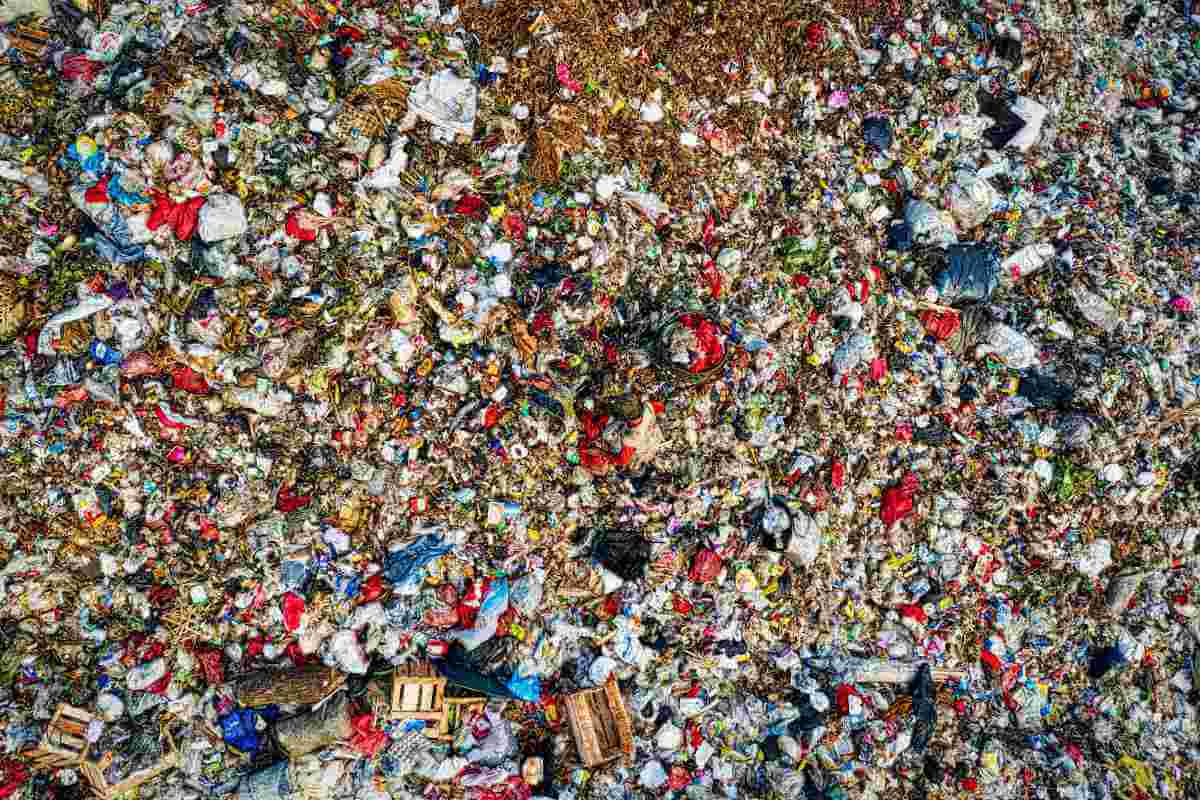
India’s plastic waste generation has shown fluctuating trends over the past three years, according to data compiled by the Central Pollution Control Board (CPCB) based on inputs from State Pollution Control Boards and Pollution Control Committees. The country generated 41.26 lakh tonnes of plastic waste in 2020–21, which declined to 39.01 lakh tonnes in 2021–22, before rising again to 41.36 lakh tonnes in 2022–23, according to information provided by the Ministry of Environment, Forest and Climate Change.
In the national capital, Delhi, plastic waste generation has continued to increase, with estimates rising from approximately 3.45 lakh tonnes per annum in 2020–21 to 3.77 lakh tonnes in 2021–22.
Nationwide Ban on Single-Use Plastics
The Ministry of Environment, Forest and Climate Change (MoEFCC) enforced a nationwide ban on identified single-use plastic (SUP) items from July 1, 2022, targeting products with low utility and high littering potential. The ban also extends to plastic carry bags below 120 microns thickness.
Enforcement Drives Lead to Seizures and Penalties
According to the Ministry, authorities across States and Union Territories have undertaken extensive enforcement drives covering fruit and vegetable markets, wholesale markets, local markets, flower vendors, units manufacturing plastic carry bags, etc. Since the ban’s implementation, over 8.61 lakh inspections have been conducted, resulting in the seizure of 1,989 tonnes of banned plastic items and the imposition of fines amounting to Rs 19.83 crore.
To strengthen accountability, the government stated that it has operationalised Extended Producer Responsibility (EPR) guidelines under the Plastic Waste Management (Amendment) Rules, 2022. These guidelines mandate targets for recycling, reuse, and incorporation of recycled content in plastic packaging.
Recycling Efforts
As per official data, 60,128 producers, importers, and brand owners, along with 3,012 plastic waste processors, have registered on the centralised EPR portal. Since the framework came into force, approximately 207 lakh tonnes of plastic packaging waste have been recycled. However, enforcement action has been initiated against non-compliant entities, with the CPCB issuing show-cause notices in late 2024 and early 2026 for failure to meet targets and submit mandatory returns.
Mass Awareness Campaigns
The government stated that it has also intensified awareness and outreach initiatives. World Environment Day 2025 was observed at Bharat Mandapam in New Delhi under the theme “One Nation, One Mission: End Plastic Pollution,” preceded by a month-long campaign involving around 69,000 events and participation from nearly 21 lakh citizens nationwide.
A compendium listing nearly 1,000 manufacturers and sellers of eco-friendly alternatives to banned plastic items was released to promote sustainable substitutes, supported by standards such as BIS IS 18267 for food serving utensil made from Agri By-Products.
Eco-Friendly Alternatives and Innovation
In addition, a national expo showcasing eco-alternatives and innovative waste management solutions saw participation from 150 startups, recyclers, and local bodies, the government said. The National Plastic Pollution Reduction Campaign (NPPRC), conducted from June to October 2025, further focused on reducing plastic use across urban and rural areas, including government offices, and featured initiatives such as cleanliness drives and a hackathon on sustainable alternatives.
The information was provided by Minister of State for Environment, Forest and Climate Change Kirti Vardhan Singh in a written reply in the Lok Sabha on March 23, 2026.