Support Telecomtalk







Andrew Bonwick
Vice President of Product Development at Relm Insurance

Madhav Sheth
CEO of Ai+ Smartphone

Stephen Rose
CEO Render Networks




Facebook co-founder Mark Zuckerberg is on a two day India tour where he met with Prime Minister Narendra Modi and Information Technology Minister Ravi Shankar Prasad. Zuckerberg’s prime intent to visit India is to promote his Internet.org organization, making internet connectivity free to everyone.
- Make Telecom Talk My Trusted Source



Why Internet.Org?
As of June 2014, Facebook gets about 1.32 billion active users per month. There’s very little scope for Facebook to grow from here unless it bring people with no Internet access on board.
Do we need it?
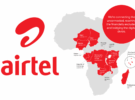
However, what needs to be questioned is whether this connectivity will be as free as it is now. The answer is definitely a NO. Users will be able to access content from only companies who signup with the organization. This is not the world wide web as we know. Imagine, Airtel and Flipkart partner with Internet.org to provide free access to Flipkart from Airtel’s network. If you are on a Vodafone network, you won’t be the beneficiary of the so called free Internet connectivity.
This is not something new, telcos and services have been historically partnering to drive data consumption in India. These steps were necessary in the Indian market to bring the Indian mobile users Online, however, a large scale implementation of such tactics might harm the Indian telecom market and risks controlling data tariff in a price sensitive country. If Venture capital backed services (like Flipkart) subsidize the data tariffs for consumers, there’s a risk that telecom operators might promote these services over free-to-access any service Internet as we know of. Imagine that with the above example deal, Flipkart is available for free from all telcos, while a non VC backed service, which might not have partnered with Internet.org, is not accessible for free. In this case, users are definitely going to access Flipkart over the non VC backed service.