 Support Telecomtalk







Andrew Bonwick
Vice President of Product Development at Relm Insurance

Madhav Sheth
CEO of Ai+ Smartphone

Varun Kashyap & Sridevi Reddy
Co-Founders, Zithara.ai
Transforming Indian Offline Retail and Customer Engagement Using AI


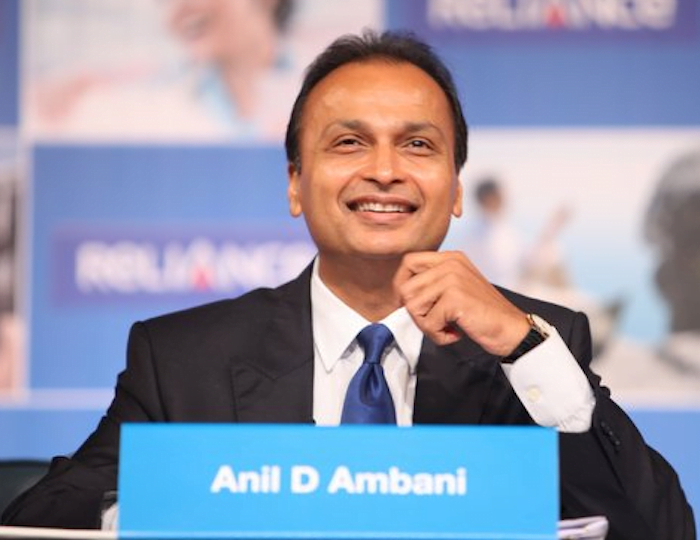
Reliance Communications (RCom) and Ericsson have hit a new wall in their ongoing negotiations for the recovery of pending dues by the telco. This new hurdle which both the parties are facing has come up because of disagreement regarding the payment timeline. While RCom proposed a period of six months for paying up the dues worth Rs 1,000 crore, the Swedish manufacturer is of the thought that the payment should be made within three months. As per the reports, Anil Ambani himself is leading the negotiations on behalf of the company with officials of Ericsson. The Swedish company is of the view that to wait for six months for the payment would be unreasonable, as the dues could “be recovered within the next three months.”
- Make Telecom Talk My Trusted Source



The Anil Ambani led telco was dragged into NCLT by Ericsson on default of payments by the company. The court established that the grounds on which Ericsson had petitioned were right and thus passed the order to push the telco towards insolvency. This order meant that the telco was restricted from selling its wireless assets to Reliance Jio which involved towers, fibre network and spectrum and amounted to Rs 18,000 crore. If possible, this would further help the telco pare the debt of Rs 46,000 crore.
When ET posed a question to both the parties, there was no response from any one of them. It is also worth remembering that before this hassle, the two sides were on polar ends over the negotiation of an amount too. However, during these perilous times, the telco might get help from a change in the Insolvency and Bankruptcy Code which may be soon implemented by the government.
Under the new change, the government proposed that it would lower the voting threshold for approval of resolution plans to a 66% majority of the lenders from 75% earlier and it would also allow withdrawal of an insolvency application if 90% of the creditors agree. On the basis of this, the government would try to encourage a resolution plan instead of pushing companies towards liquidation, which usually proves to be the final nail in the coffin for the giants.






























