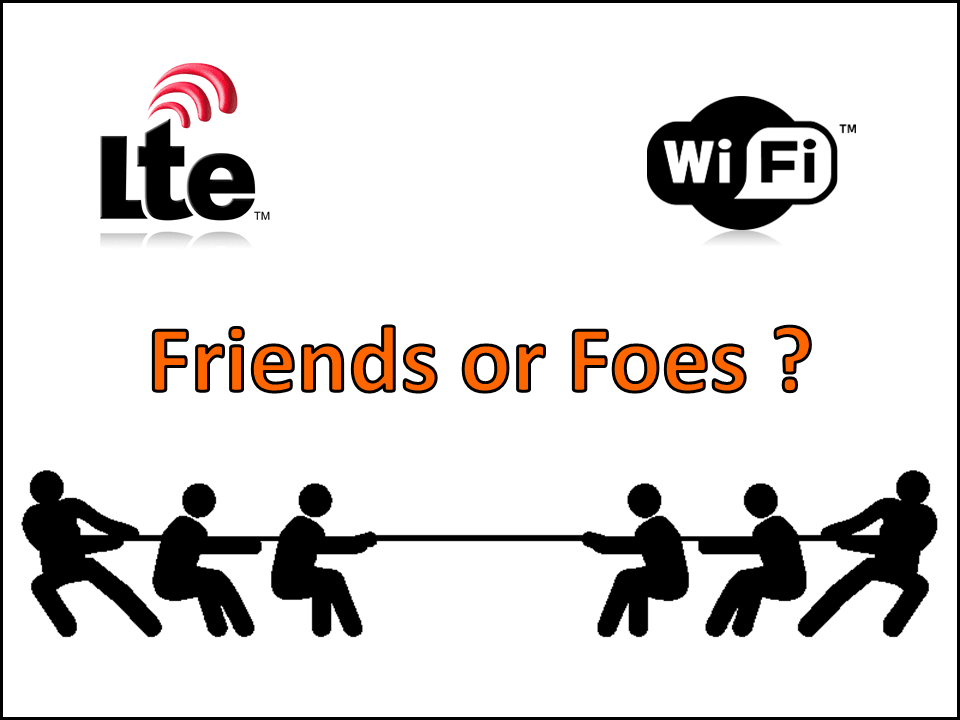
LTE versus WiMax was once the most commonly discussed topic by industry experts in the press and at conferences, that we saw getting traction in the last couple of years. However, with most operators deciding to back LTE over WiMax, the LTE versus WiMax debate is over. But what about Wi-Fi? With Wi-Fi access becoming more widely available in homes, enterprise and retail location, it is considered to be the one of the most favorable option by many. Through this write up we would touch upon the concept related to LTE v/s Wi-Fi and the impact of their implementation on service providers as well as end users.
- Make Telecom Talk My Trusted Source


LTE is today marketed as the savior of operators and users with more than 110 high-speed networks deployed around the world with the potential to connect almost 500 million people in 50 different countries. Operators have spent huge amount of money and time securing the spectrum for next generation mobile broadband network. However, increasing number of Wi-Fi enabled devices and free access to WiFi has put considerable downward pressure on operators’ revenue from mobile broadband. The million dollar question here is: Why would someone buy costly LTE or 4G plans and devices when they can access internet through WiFi and that too for free? Undoubtedly nothing can stand in LTE’s way when it comes to speed, but still there are certain plus points with WiFi that allows it to compete head-on with LTE.
The ubiquitous nature of WiFi has made it an indispensable part of our daily lives today. Anyone with a wireless device can sit down and get online with just a tap of ‘Connect’ button. It’s said that WiFi hotspots are growing 25 times faster than cellphone tower and may even outnumber them now. When compared with other nations, India still lags behind as WiFi hotspots are limited to SOHO sectors, Indian enterprises, coffee shops, airports, luxury hotels and campuses in the Metro cities. The recent move by Indian government to provide free WiFi connectivity to passengers sounds impressive but whether it will be actually possible to have ‘functioning WiFi’ on trains is still left to be seen. Talking about the coverage, WiFi is said to be better than LTE when it comes to indoor coverage penetrating every nook and corner of the building. But let’s not neglect the fact that these days users are prepared to pay extra for the speed of their internet connections.
Thus no one is a clear winner here. Both have their benefits and drawbacks be it a WiFi or a cellular LTE Connection. However the option that seems most suitable today is the association between Cellular and WiFi operators. LTE service providers can allow users to switch their broadband access from cellular to WiFi and thus relieve the strain on their existing wireless networks. In the recent past we have seen many operators partnering with ISP’s to offer high speed Internet access to their customers on WiFi. For e.g. Aircel- Spectranet partnership, Bharti Airtel, Idea Cellular and others are looking to shift a part of their data services to WiFi hotspots. In turn, WiFi operators can increase their customer base and reach by partnering with cellular operators.
With cellular broadband network readily available at all the places I go, I still don’t switch off my WiFi connection when connected and use the cellular connection. I, for one, could not come up with a good reason behind it. How about you? Do you flip to cellular network or turn off your WiFi even when it is available. Let us know your thoughts in the comment below.
Found this useful? You can support us.
 Support Telecomtalk