The Indian Telecom Regulator, TRAI, recently instructed the service providers to compensate customer for each call drop with Re. 1 with maximum compensation of Rs. 3 every day.
The issue of call drops is no small matter and in fact, has opened up a Pandora’s box. There has been a lot of mudslinging in the last few days between the government and the service providers, with both parties blaming the other for the call drops. While the telcos say that the crackdown on towers is leading to an increase in call drops, the Government believes that telcos are not spending enough on network upgradation.
As of now, Telenor is the only telco, which is offering compensation to subscribers for call drops. Most of the telcos have deployed Call Detail Record (CDR), which informs them whenever a call is dropped. In Telenor’s case, the compensation is in the form of extra talk-time since they have only prepaid operations.
Compensating the subscribers is a poor way to solve the problem. It seems to be a stopgap arrangement to appease the consumer on one end and to prevent churn for the telco. It will not be a big gain for the consumer if the problem continues to persist. For the telcos it might turn out to be a financial strain even as they struggle to offer decent quality of services to their subscribers.
The Whys Of Call Drops?
There can be many reasons for a call to drop. Spectrum crunch, congestion, and capacity crunch are some of the reasons for an increasing number of call drops in India. Today, the call dropped ratio in India stands at 12 percent, which is nearly four-times the permissible level of 3 percent, as per a report recently released by TRAI.
However, the biggest reason is that there has been a drastic change in the way we use our mobile devices now. The networks were built primarily for voice, but today’s device usage is application centric, which means that the networks have to evolve to resolve the problem. Narrower pipes for data means that other operations, like voice, are also affected.
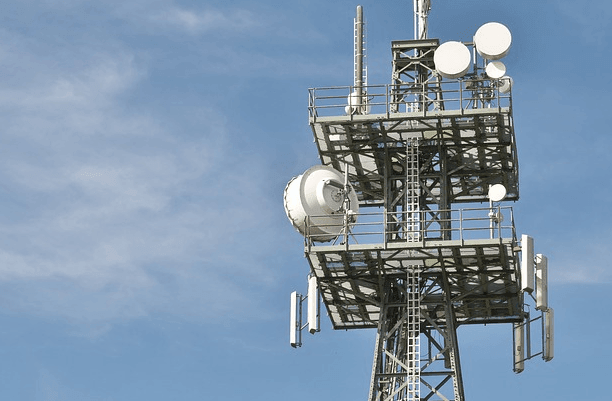
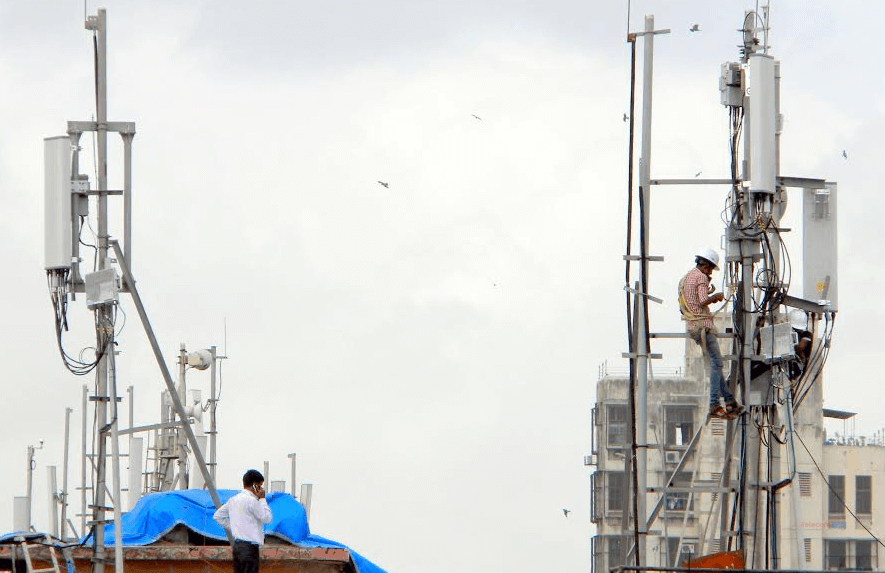
Crackdown on towers also leads to insufficient radio, resulting in termination of calls. Radiation curbs is making it difficult for telcos to deploy new towers thus hindering growth.
Resolutions
The telcos can take technological and other steps to resolve the problem. The most obvious solution is spectrum trading and sharing. With the Department of Telecommunications (DoT) issuing guidelines for spectrum sharing and trading, the ball is now in telco’s court to make full use of this opportunity. There are likely to be a number of deals in this arena in the coming few months with incumbents entering into arrangements with various smaller players to resolve the spectrum crunch.
On the technology front, the service providers would need to optimise the networks to enable them to handle the data tsunami. “The service providers should consider investing in technologies like Self Organising Network (SON) for automation of planning, configuration, management and optimisation of mobile radio access networks,” says Nandan. The telcos would also need to include small cells and boosters to enhance in-building coverage.
Though the telcos are upgrading the network, this exercise is unable to keep up with the speed with which data usage is increasing. “The telcos need to revamp the radio network and optimise the network so they are better equipped to handle the ever-increasing data demand and changes in traffic pattern,” explains Nandan.
In the end, the telcos have to take a holistic view of the problem. The incumbents have largely been taking their customers for granted. However, with Mobile Number Portability (MNP) and new Greenfield operators ready to launch networks, the time is now right to invest in networks and give the consumers what they deserve.
A small group of TelecomTalk readers helps keep this platform running. Support us if you find our work valuable.
 Support Telecomtalk