Support Telecomtalk







Andrew Bonwick
Vice President of Product Development at Relm Insurance

Madhav Sheth
CEO of Ai+ Smartphone

Varun Kashyap & Sridevi Reddy
Co-Founders, Zithara.ai
Transforming Indian Offline Retail and Customer Engagement Using AI


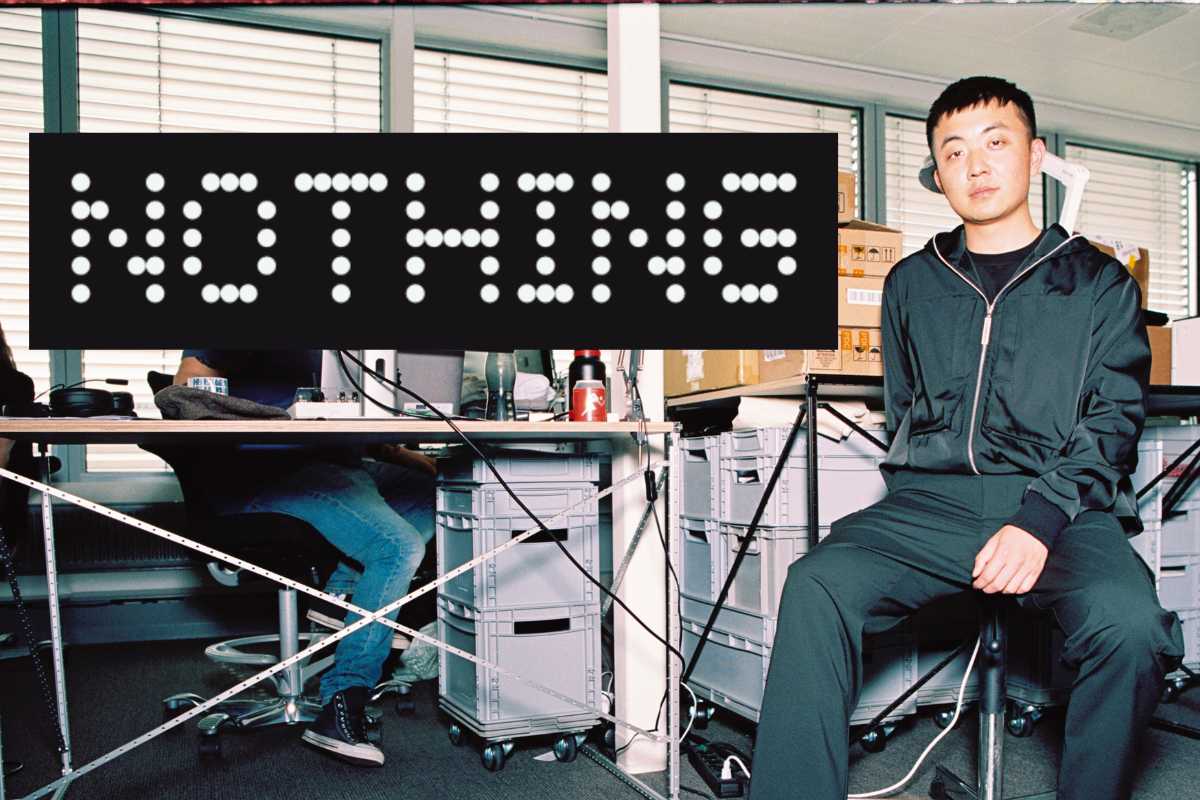
Nothing, a relatively young consumer electronics venture by Carl Pei, who is known for co-founding OnePlus, one of the most successful smartphone brands in India and globally, launched its first smartphone earlier this year. Nothing started out with TWS (truly wireless stereo) earbuds called ear (1) in 2021. From its very first product, Nothing set the tone for what it aimed to do in the tech world. From conceptualisation to execution, the ear (1) actually looked like a product a tech enthusiast would be excited about.
- Make Telecom Talk My Trusted Source



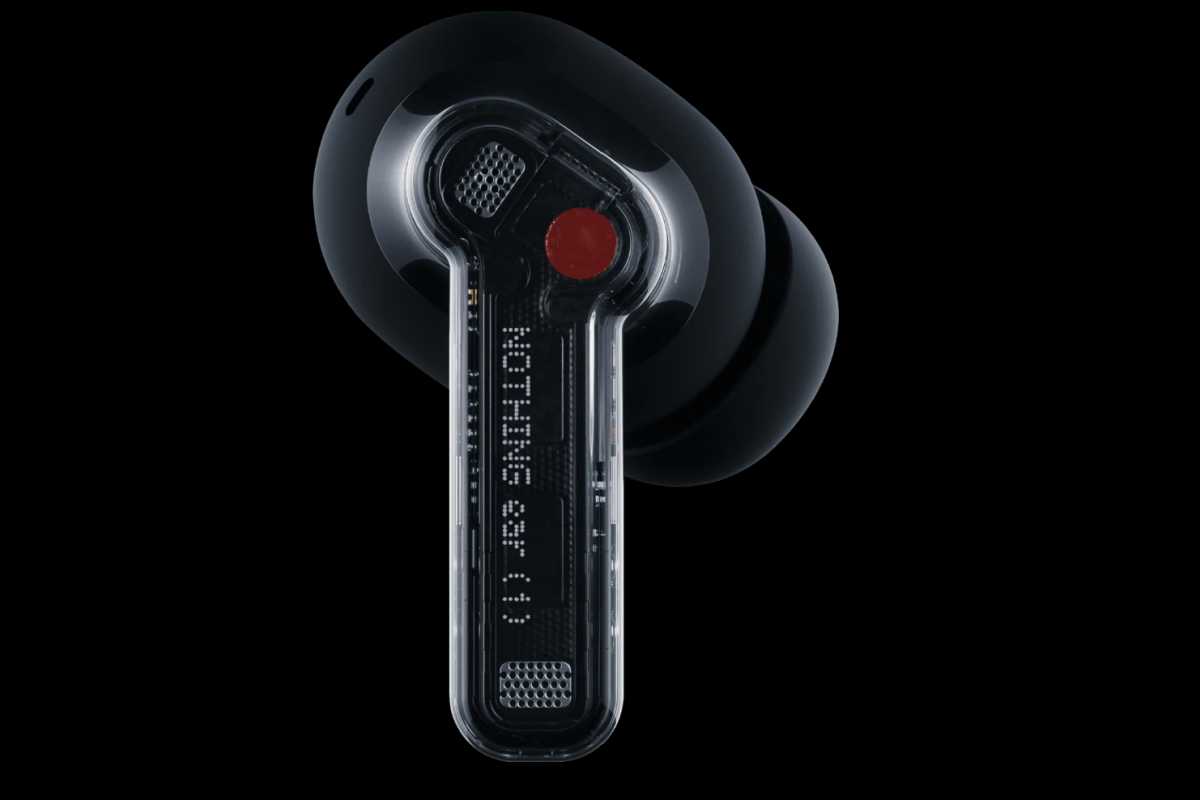
Nothing Ear 1
Nothing Phone (1)
After the successful launch of the ear (1), the attention then switched to the next product from the company – a smartphone. The hype that was created around the first smartphone of Nothing was truly exceptional. Nothing named its first smartphone – Phone (1). It will be interesting to see how the brand keeps naming its products when it launches two smartphones in the same series. Regardless, Nothing Phone (1) was again a stylish and unique-looking product. Nothing Phone (1) introduced the world to the glyph interface (LED lighting) at the back, and in case you have been living under a rock, this is what it looks like (see below).
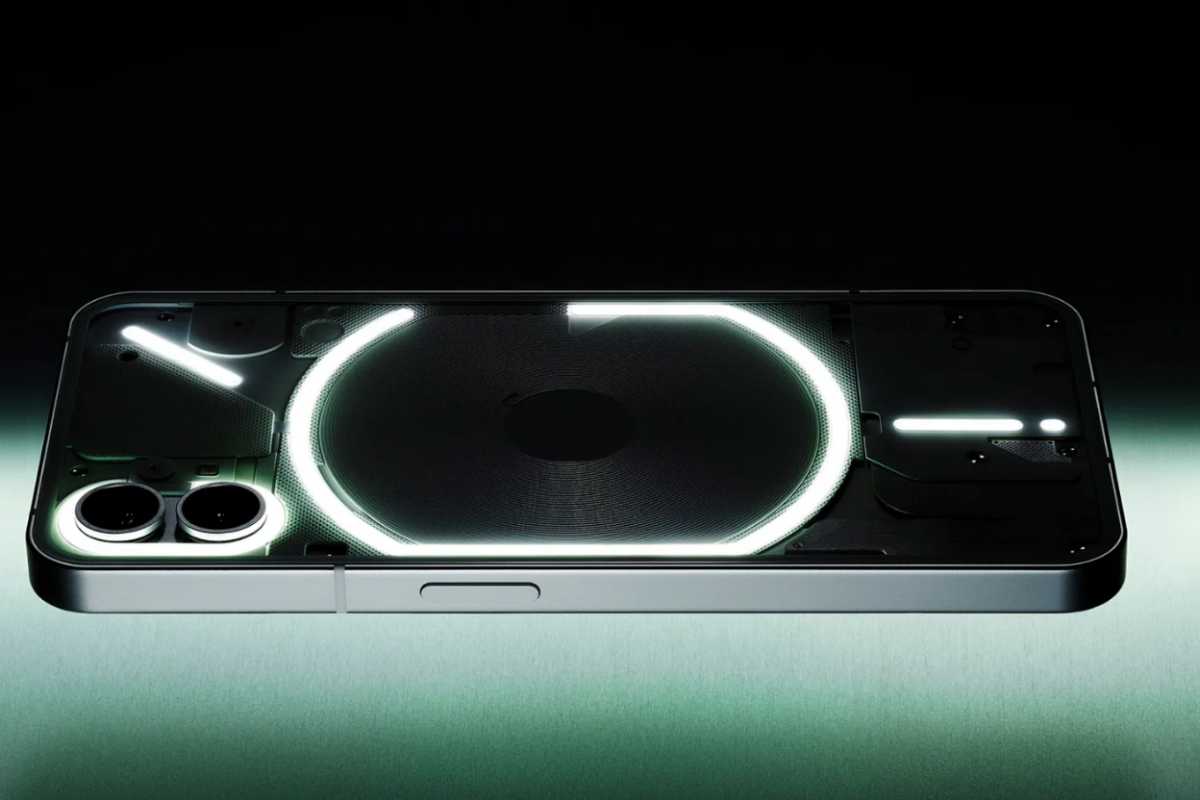
Phone (1)
While there are some who say that its sides look a lot like an iPhone, I would say it doesn’t really matter. I think the design team has done an excellent job in ensuring that their product stands apart. What I like the most about this device is that the glyph interface, which I initially thought was a little gimmicky, can actually bring a lot of utility to the customers.
I heard Carl Pei telling Kunal Shah that Nothing will keep adding new features to the glyph interface to make it more useful for the customers. It’s only been a few months since the Nothing Phone (1) came out, and I can’t even wait to see what the Phone (2) would be like. I don’t think there would be any structural changes to the device, and Nothing could make the Phone (2) look exactly like the Phone (1) from behind (something I won’t be mad about).