Support Telecomtalk







Andrew Bonwick
Vice President of Product Development at Relm Insurance

Madhav Sheth
CEO of Ai+ Smartphone

Stephen Rose
CEO Render Networks



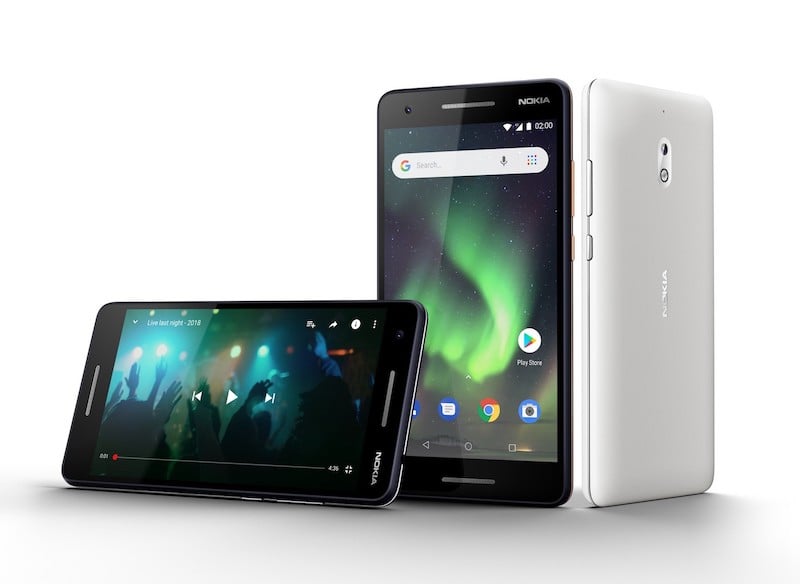
Alongside the Nokia 3.1 and Nokia 5.1 smartphones, HMD Global also announced the upgraded version of last year’s Nokia 2. As expected, the device is monikered as Nokia 2.1, and this time around, the company has gone with the Android Go lightweight OS, unlike the Nokia 2 which runs the standard version of Android. Alongside improving the internal hardware, HMD Global also increased the screen size in the latest version, which is possibly the unnecessary change because the Finnish upstart brand has gone with the traditional 16:9 panel, not the trendy 18:9 panel. But the best feature added by the company is the two front-firing speakers and yes, the Nokia 2.1 too lacks a fingerprint scanner.
- Make Telecom Talk My Trusted Source



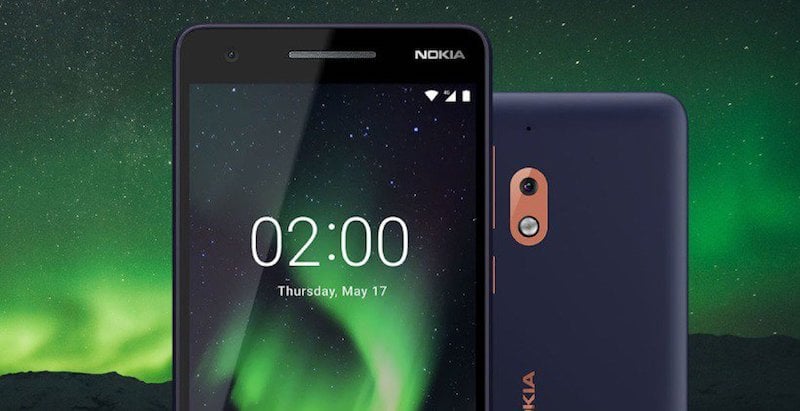



Nokia 2.1 Specifications and Features
The Nokia 2.1 comes with modest hardware which is alright for the asking price. It rocks a 5.5-inch display on the front with 720p resolution. It’s a 16:9 panel, not the 18:9 one as mentioned. On the brighter side, HMD has added stereo speaker setup on the Nokia 2.1, which is the highlight of the device. To recall, the original Nokia 6 had stereo speaker setup, but it was replaced by a mono speaker setup in the Nokia 6.1 and various other Nokia smartphones in the mid-range segment.
The chipset used to power the Nokia 2.1 is the Qualcomm Snapdragon 425, which is an octa-core chip used on other smartphones such as the Xiaomi Redmi 5A, Tenor D and the recently launched Mobiistar CQ. HMD promises 50% performance boost on the Nokia 2.1 when compared to the Snapdragon 212 SoC-powered Nokia 2. Accompanying the chipset is 1GB of RAM and 8GB of internal storage, which can also be expanded with a microSD card, thankfully.