 Support Telecomtalk







Andrew Bonwick
Vice President of Product Development at Relm Insurance

Madhav Sheth
CEO of Ai+ Smartphone

Varun Kashyap & Sridevi Reddy
Co-Founders, Zithara.ai
Transforming Indian Offline Retail and Customer Engagement Using AI


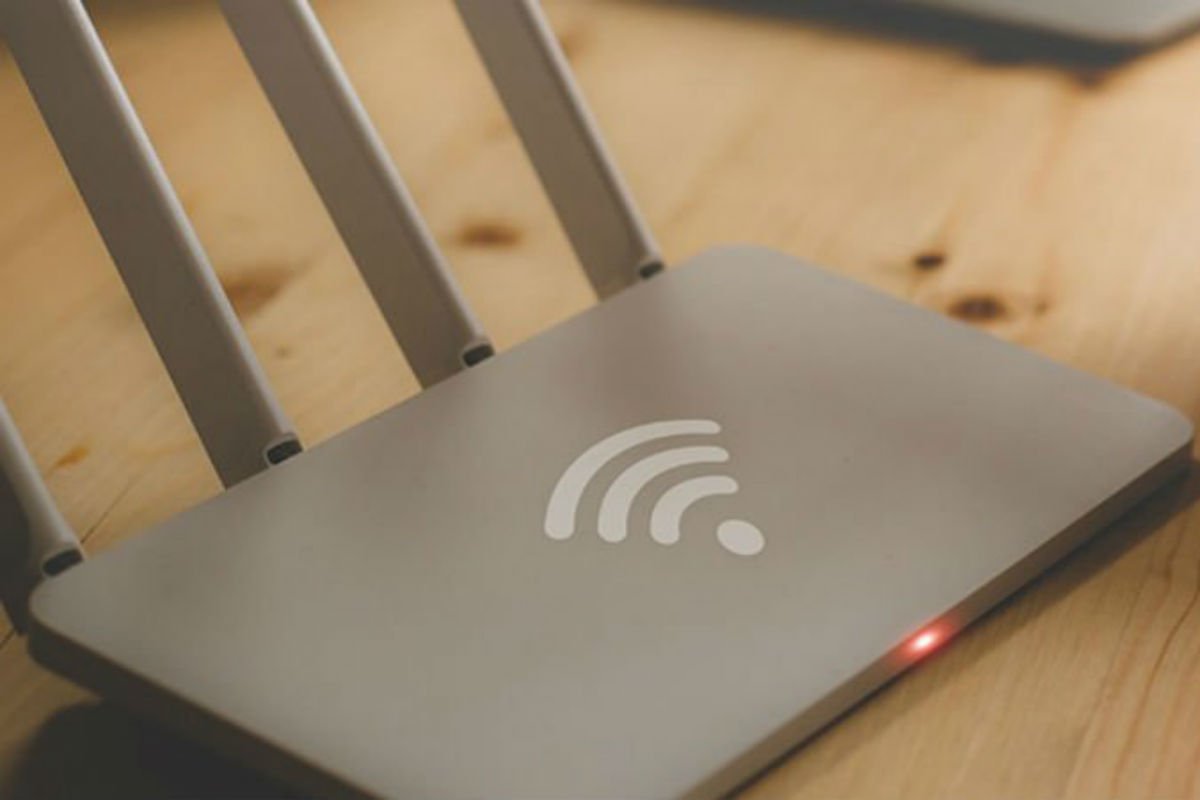
Given how heavily we rely on the internet for everything from business to recreation, slow Wi-Fi connections are excruciating. Here are a few common causes of Wi-Fi issues and their fixes. If Wi-Fi performance is less than satisfactory, check the list below to rule out any possible artificial bottlenecks that may be to blame.
- Make Telecom Talk My Trusted Source



Old Wi-Fi Routers Have an Impact on Performance
You won’t have much fun if your router is still out-of-date or the inferior Wi-Fi router that came with the router/cable modem combo box your ISP gave you. Furthermore, even if some of the information offered here may be helpful if your Wi-Fi network is still old, nothing can really replace biting the bullet and buying a new router. It makes sense to upgrade, especially for folks who have otherwise new technology—newer telephones, a new smart TV, etc.—because using newer gadgets with older hardware is compromising performance.
Signal Strength Is Degraded by Improper Router Location
Placing an outdated WiFi router in the wrong location is the only thing that might be worse. If you want really strong Wi-Fi where you actually use your Wi-Fi devices—such as in your living room and bedroom—you shouldn’t install the Wi-Fi router in the basement close to the washing machine. A quick fix is to swap out your Wi-Fi router. Place it far from these Wi-Fi blockers and at a spot where the signal is crucial to your daily activities.
Wi-Fi Performance Suffers From Channel Congestion
When many Wi-Fi devices are using the same frequency or channel in the same air space, the Wi-Fi connection is slow. Your network may suffer if your neighbour’s Wi-Fi router is configured identically to yours and you live close enough that your router broadcasts into their living space and vice versa.






























