 Support Telecomtalk







Andrew Bonwick
Vice President of Product Development at Relm Insurance

Madhav Sheth
CEO of Ai+ Smartphone

Stephen Rose
CEO Render Networks



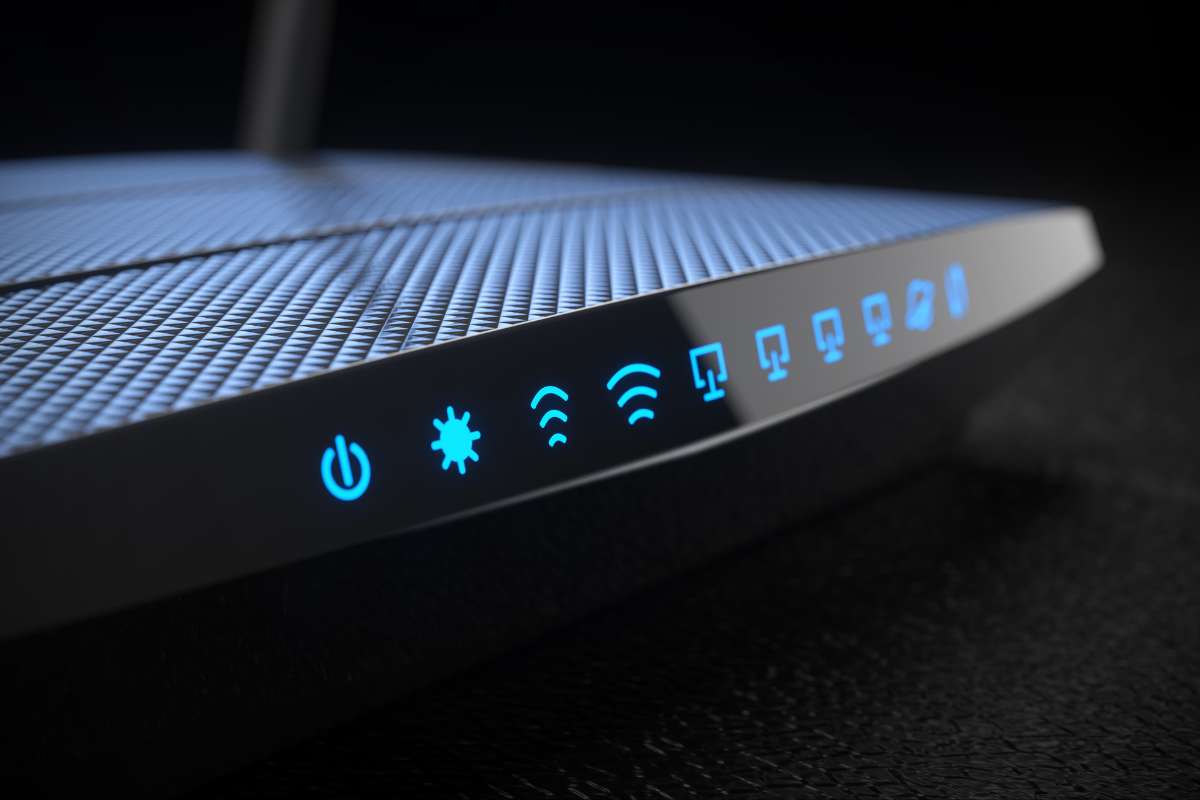
An effective way to enhance the coverage of your Wi-Fi at home or office is to use Wi-Fi extenders. Although they are not the complete solution for your Wi-Fi challenges, they can be helpful to beef up the range to a great extent. With that note, let’s see how Wi-Fi extenders work and see the benefits and drawbacks of the device.



- Make Telecom Talk My Trusted Source



How Wi-Fi Extenders Work
A Wi-Fi extender connects to your existing Wi-Fi network, duplicates and re-broadcast it. It simply extends the signal’s range to cover more area in the destination. A good position to place your Wi-Fi extender is between your Wi-Fi router and the dead zones in the house. The device should be close to the router for seamless connection with the Wi-Fi network and nearby the areas where the signals are weak so that it can spread Wi-Fi signals to those corners effectively. If you place Wi-Fi networks farther from the router, you risk losing more signal speed.
Benefits of Wi-Fi Extenders
Wi-Fi extenders are cheaper than mesh router systems and are available from as low as Rs 199. They work with most routers, so there is no need to replace your router.
An extender is good in substantially increasing the network range in corners or places like the backyard and basements, where the range is terrible. They are small and come as one single device, which can be connected to the power outlet of your place.